Applied Psychology
Applied Psychology for the Relief of Emotional Distress in Wolverhampton, the West Midlands & online throughout the UK

What is Applied Psychology?
Applied psychology is the practical application of psychological principles and theories to address real-world challenges, particularly in the realm of mental health.
It focuses on understanding individual experiences and the context in which they occur, allowing for a deeper exploration of emotional distress rather than simply viewing it as a problem to be fixed.
By recognising patterns, meanings, and the broader life narrative, applied psychology helps individuals to gain insight into their mental health difficulties, facilitating a journey towards healing and personal growth.
This approach fosters agency and resilience, empowering people to move beyond mere coping mechanisms and toward meaningful change in their lives.
The Medical Model Isn't Working Well

The traditional mental health system tells people that they are “ill” when they experience anxiety, low mood, social withdrawal, or emotional distress.
These experiences are often medicalised and treated with medication or narrowly defined therapy protocols.
But this medical model can lead to:
- A shift toward an external locus of control (believing that change comes from doctors or drugs).
- Loss of autonomy and reduced confidence in your own emotional capacities.
- Short-term improvements that fade without deeper personal change.
The result? People may feel dependent on therapy, believing it’s the therapist or the treatment doing the work - not them.
A Different Way of Understanding Psychological Difficulties
Most people who seek psychological help are not lacking insight.
They are thoughtful, reflective, and often highly self-aware.
Yet many still feel stuck.
They understand their patterns, recognise their triggers, and can name what they struggle with - but movement feels elusive.
Life becomes something to manage rather than actively shape.
This is because understanding alone does not create direction.
Much modern psychological help focuses on reducing symptoms and stabilising experience.
While this can be useful, it often leaves a deeper question unanswered:
What is this experience asking of me?
The work here begins from a different assumption: that emotional distress makes sense when understood in the context of a person’s life.
Rather than treating anxiety, low mood, or compulsive patterns as problems to eliminate, they are approached as signals - carrying information about what has been lost, avoided, or compromised.
Change becomes possible not through control alone, but through restoring orientation, agency, and authorship over one’s responses.
This is psychological work for people who want to move forward - not just cope.
How This Work Unfolds
This work is not a treatment applied or 'done' to you.
It is a process you actively participate in.
Rather than starting with techniques or symptom targets, we begin by understanding the broader context of your experience - how your difficulties fit within your life story, relationships, values, and sense of direction.
Together, we explore:
- why your current patterns once made sense
- what they may now be signalling
- where responsibility has been avoided, outsourced, or constrained
- what kind of movement feels necessary but difficult
Insight is important - but it is not the endpoint.
The focus is on orientation: helping you locate yourself more clearly within your own life so that choices, risks, and actions become possible again.
This process is collaborative, reflective, and grounded in real-world responsibility.
It does not involve being fixed, analysed, or managed.
Instead, it supports you in reclaiming authorship over how you respond, decide, and move forward.
Is This Approach Right For You?
This work is not for everyone.
It is not designed for those seeking quick fixes, passive treatment, or reassurance alone.
It does not offer guarantees, symptom elimination as a primary goal, or external answers about who you are or what you should do.
It is for people who are willing to:
- reflect honestly on their lives
- tolerate uncertainty while clarity develops
- take responsibility for their responses and choices
- engage actively in the process of change
This approach assumes that psychological difficulty is meaningful - not something to be eradicated, but something to be understood in context.
For those ready to work in this way, it can be both challenging and quietly transformative.
The Psychology of Mental Health
A knowledge-base of contemporary psychological perspectives on the experience of mental health conditions,
ABOUT PAUL
Meet Paul Lee MSc
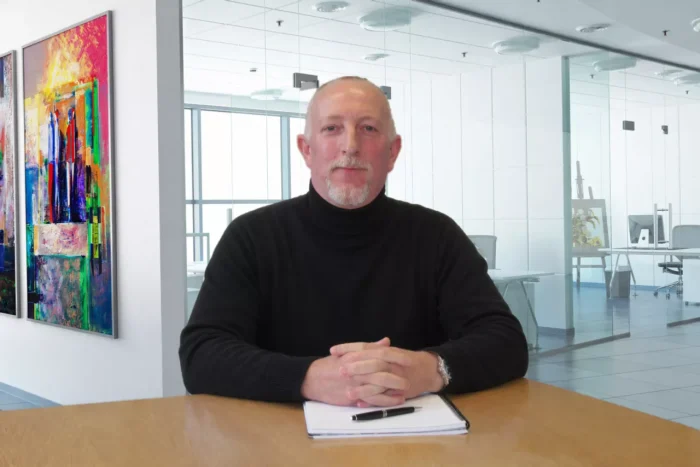
Hello, I'm Paul and I've been working with people as an applied psychologist, psychotherapist and coach since 2009. I have expert knowledge of Cognitive Behavioural Therapy (CBT) and adopt a non-medicalised philosophy when helping people overcome mental health challenges. This means that I will frame your current difficulties as being the result of what has happened to you rather than what is wrong with you.