
Executive Burnout: Coaching, Counselling & Psychotherapy Services

What is Executive Burnout?
Are you feeling overwhelmed, stressed, and exhausted from the demands of your executive role?
Executive burnout is a state of physical, emotional, and mental exhaustion specifically experienced by individuals in high-level positions, such as executives, managers, and other senior leaders.
It can impact your mental health and overall well-being as well as the organisation around you.
This type of burnout is characterised by a chronic sense of stress and overwhelm due to the demanding nature of the roles being fulfilled and affects executives of all genders with prejudice.
Factors contributing to executive burnout include:
- High Workload: Excessive responsibilities and long working hours.
- Pressure to Perform: Constant pressure to achieve high performance and meet organisational goals.
- Lack of Control: Feeling a lack of control over work processes or outcomes.
- Insufficient Support: Lack of support from colleagues, subordinates, or higher management.
- Role Conflict: Conflicting demands and expectations from different stakeholders.
- Poor Work-Life Balance: Difficulty in balancing professional responsibilities with personal life.
Addressing executive burnout involves strategies such as promoting a healthier work-life balance, providing adequate support systems, fostering a positive organisational culture, encouraging delegation and time management, and offering professional development and stress management resources.
Recognising and addressing burnout early can prevent its severe consequences and promote overall well-being and productivity.

Executive Burnout Symptoms
- Exhaustion: Persistent feelings of fatigue and depleted energy levels, despite adequate rest.
- Cynicism and Detachment: A negative or indifferent attitude towards work and colleagues, leading to a sense of disconnection.
- Reduced Performance: Declining productivity and effectiveness at work, often accompanied by feelings of inadequacy and self-doubt.
- Physical Symptoms: Chronic stress can lead to health issues such as headaches, gastrointestinal problems, hypertension, and sleep disturbances.
- Emotional Symptoms: Increased irritability, anxiety, depression, and a sense of helplessness or hopelessness.
- Behavioral Changes: Increased absenteeism, withdrawal from social interactions, and a decline in personal care or health habits.
Advanced & Structured CBT-Based Coaching Programme
Our Tranceformental CBT Programme can be an effective approach to alleviating executive burnout by helping individuals understand and change their beliefs, thought patterns and behaviours that contribute to their stress and exhaustion.
Here are several ways CBT-based coaching can help:
1. Identifying Negative Thought Patterns
- Awareness: CBT helps executives become aware of negative and irrational thought patterns that contribute to their stress, such as perfectionism, catastrophising, or all-or-nothing thinking.
- Challenging Thoughts: We work with executives to challenge these thoughts and replace them with more realistic and constructive ones.
2. Developing Coping Strategies
- Stress Management: CBT coaching provides practical strategies for managing stress, such as relaxation techniques, mindfulness, and time management skills.
- Problem-Solving: Executives learn to approach problems methodically, breaking them down into manageable parts and developing effective solutions.
3. Enhancing Emotional Regulation
- Emotion Recognition: Executives learn to recognise and understand their emotions, which can help them respond to stressors more effectively.
- Emotional Resilience: CBT techniques can increase resilience, enabling executives to bounce back from setbacks and maintain a positive outlook.
4. Improving Work-Life Balance
- Setting Boundaries: Coaching helps executives establish healthy boundaries between work and personal life, which is crucial for preventing burnout.
- Prioritising Self-Care: Emphasis is placed on the importance of self-care activities, such as regular exercise, sufficient sleep, and leisure activities.
5. Boosting Self-Efficacy
- Building Confidence: Through CBT, executives can build confidence in their abilities and decision-making skills, reducing feelings of inadequacy and self-doubt.
- Empowerment: By gaining control over their thought processes and reactions, executives feel more empowered and capable of handling their responsibilities.
6. Enhancing Interpersonal Skills
- Effective Communication: Executives can improve their communication skills, which can lead to better relationships with colleagues and a more supportive work environment.
- Conflict Resolution: Coaching can provide techniques for resolving conflicts constructively, reducing workplace tensions.
7. Preventing Relapse
- Long-Term Strategies: CBT-based coaching emphasises the development of long-term strategies to maintain mental health and prevent the recurrence of burnout.
- Ongoing Support: Regular coaching sessions can provide continuous support and accountability, helping executives stay on track with their goals and coping strategies.
Practical Examples
- Cognitive Restructuring: An executive can work with a coach to identify a recurring thought, such as "If I don’t handle everything myself, everything will fall apart." The coach helps reframe this thought to "I can delegate tasks and trust my team to handle them effectively."
- Behavioural Activation: An executive experiencing burnout might be guided to schedule enjoyable and fulfilling activities outside of work to counterbalance the stress of their job.
- Exposure Therapy: If, for example, an executive has a fear of public speaking, the coach might use exposure techniques to gradually increase their comfort and confidence in speaking situations.
By focusing on the interplay between thoughts, emotions, and behaviours, CBT-based coaching offers a structured and effective approach to reducing executive burnout and enhancing overall well-being.
ABOUT PAUL
Meet Paul Lee MSc
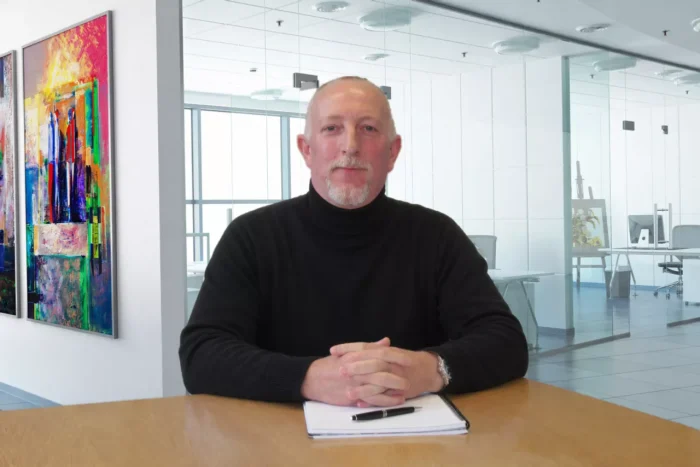
Hello, I'm Paul and I've been working with people as a psychologist, psychotherapist and coach since 2009. I have expert knowledge of Cognitive Behavioural Therapy (CBT) and adopt a non-medicalised philosophy when helping people overcome mental health challenges. This means that I will frame your current difficulties as being the result of what has happened to you rather than what is wrong with you.
TAKE THE FIRST STEP