
Psychosocial Determinants of Mental Health and Wellness
Post Contents
What Are Psychosocial Factors?
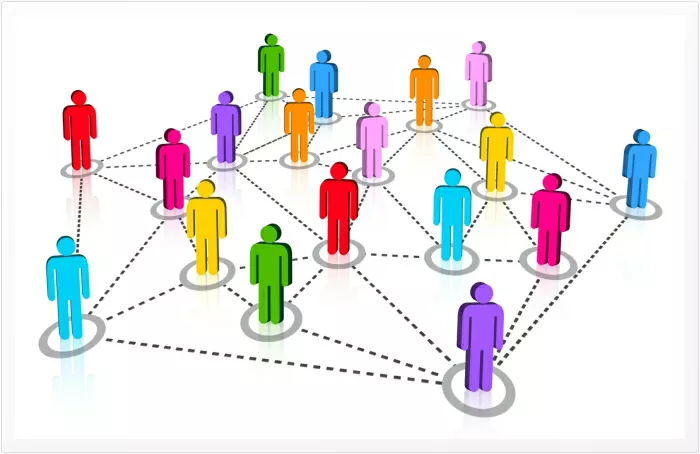
Psychosocial determinants are those factors which take into consideration the interactions between SOCIAL and individual PSYCHOLOGY.
We are all governed by psychological processes such as thoughts, feelings and meanings and all of us live in a social context of one sort or another.
A social context is any environment in which people co-exist, for example London, South England, China and so on.
These social contexts are highly influential and are instrumental in shaping the way we live our lives and make sense of our experiences, what are known as socially acquired beliefs.
Unlike the governing rules of physics and biology, however, the social rules and regulations are human constructs and vary across different cultures.
In the world of psychological therapy it is argued that we cannot fully understand an individuals psychological processes without recognising the influence of the different social and cultural settings in which they live.

The Influence of Psychosocial Determinants on Therapy Approaches
Psychosocial therapy is any form of mental health counselling that takes into consideration social factors in the creation of feelings such as anxiety.
This contrasts with the biomedical models of mental health which seek to emphasise biological pathology as causative in emotional problems.
Consequently, psychosocial approaches place greater emphasis on what has happened to you and how you have made sense of what happened.
Additionally, recent developments in clinical psychology which stress the importance of psychosocial factors have resulted in the development of the Power Threat Meaning Framework (PTMF) developed by the British Psychological Society (BPS).
At Tranceform Psychology, we also adopt this psychosocial perspective when helping you recover from your problems.

Medicalisation of Human Emotions: A Cultural Model
Medicalisation is the process of taking aspects of human behaviour and trying to explain it through medical principles.
This process of medicalisation is then used to legitimise the management of our behaviours using conventional medical approaches such as drug interventions or surgical procedures.

Models of Mental Health: Differing Perspectives
The main models of mental health highlight the interplay of biological, psychological, and social factors in determining an individual’s mental well-being.
The Biopsychosocial Model recognises the influence of genetics, psychological traits and socioenvironmental factors on mental health.

Post-Traumatic Growth: The Positive Effects of Trauma
Post Traumatic Growth is closely linked to to the idea of resilience and describes the positive effects that experiencing trauma can have on a person.
There is an underlying assumption that experiencing any kind of traumatic event must somehow result in either negative outcomes or, for some, Post Traumatic Stress Disorder (PTSD).