
CBT Therapy for Aviophobia (Fear of Flying)

Understanding Aviophobia
Aviophobia, or an intense fear of flying, can make the idea of air travel feel difficult long before you actually board a plane.
You may find yourself worrying about turbulence, mechanical failure, feeling trapped, losing control, or becoming anxious during the flight with no easy way to leave.
You might avoid flying altogether, choose much longer journeys by other means, repeatedly check flight safety information, or rely on particular routines or reassurance to help you cope.
These strategies can reduce anxiety in the short term, but they may also reinforce the belief that flying is dangerous or that you could not manage the experience without them.
Therapy can help you understand how fear, physical sensations, catastrophic thoughts and avoidance interact to maintain the problem, and develop a different response to the situations that currently make flying feel unsafe.
AVAILABLE FACE-TO-FACE OR ONLINE
We're Ready to Help You
We offer all prospective clients an hour long, informal and confidential chat to discuss your fear of flying for just £30.
There's no pressure to undertake any therapy going forward, no judgement from us and we're very friendly and easy to talk to!
♦ Ongoing sessions:
Typically weekly or fortnightly, tailored to your needs.
♦ Location:
Comfortable private setting near Wolverhampton / Wombourne, with free parking.
Secure online therapy available with Paul across the UK.
♦ Fees:
Ongoing sessions: £90/hr
Frequently Asked Questions About Therapy
How many sessions will I need?
This varies for each person. Some people feel clearer within a few sessions, while others benefit from longer-term support.
Is therapy confidential?
Yes. Everything discussed is treated with professional confidentiality.
Do I need a GP referral?
No referral is required. You can contact Tranceform Psychology directly.
Can aviophobia problems really improve?
Yes. Many people who once felt trapped by a fear of flying now live calmer, freer and more confident lives.
Aviophobia Symptoms
Aviophobia can manifest in various unsettling ways, often leaving individuals feeling overwhelmed and trapped in their fear.
Common symptoms may include
- tightness in the chest
- difficulty breathing or shortness of breath
- a sense of impending doom as the flight approaches
- excessive sweating, trembling, or nausea
which can often result in sufferers seeking to avoid flights altogether.
The fear can also lead to a heightened state of alertness or hypervigilance, making it increasingly challenging to relax even before boarding the plane.
This anxiety might trigger a whirlwind of negative thoughts, playing out worst-case scenarios in the mind, further intensifying the distress.
For some, the mere anticipation of a flight can result in social withdrawal or avoidance of travel altogether, impacting both personal and professional opportunities.
Psychological therapy with paul
CBT Therapy Options for the Fear of Flying



ABOUT PAUL
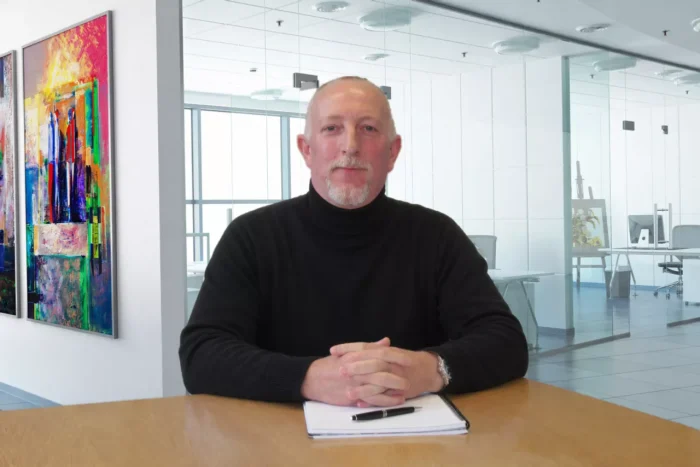
Meet Paul Lee MSc
Hello, I'm Paul and I've been working with people as a psychologist, psychotherapist and coach since 2009. I have expert knowledge of Cognitive Behavioural Therapy (CBT) and adopt a non-medicalised philosophy when helping people overcome mental health challenges. This means that I will frame your current difficulties as being the result of what has happened to you rather than what is wrong with you.
What to Expect from Therapy
Therapy isn't something that is simply done to you. Although your therapist can provide understanding, guidance and practical psychological strategies, meaningful change usually develops through what you discover, practice and begin to do differently in your everyday life.
At Tranceform, we see therapy as a collaborative process. We'll work together to understand the patterns of thinking, feeling and behaviour that may be keeping the problem going, while helping you explore different ways of responding. Sometimes this involves questioning long-held assumptions, reducing avoidance or experimenting with behaviours that initially feel unfamiliar.
The aim isn't to make you dependent upon therapy or to promise a quick fix. It's to help you develop greater understanding, confidence and agency so that, over time, you become better equipped to manage difficulties for yourself.
Therapy provides the guidance. You provide the practice. We create the change together.

TAKE THE FIRST STEP