
CBT Therapy for Phobias

What are Phobias?
A phobia is an intense, irrational fear of a specific situation, object, or activity that leads to significant distress and avoidance behaviours, impacting daily life.
All phobic responses incorporate feelings of anxiety because phobic situations or objects are perceived as a 'threat'. You can learn more about our anxiety therapy approach here.
While many people experience fear to varying degrees, those with phobias often find their fears overwhelming and disproportionate, preventing them from engaging in normal activities.
This excessive apprehension can trigger panic attacks and lead to a cycle of avoidance that reinforces the fear, highlighting the importance of understanding and addressing these challenges within a supportive therapeutic environment.
AVAILABLE FACE-TO-FACE OR ONLINE
We're Ready to Help You
We offer all prospective clients an hour long, informal and confidential chat to discuss your phobia for just £30.
There's no pressure to undertake any therapy going forward, no judgement from us and we're very friendly and easy to talk to!
♦ Ongoing sessions:
Typically weekly or fortnightly, tailored to your needs.
♦ Location:
Comfortable private setting near Wolverhampton / Wombourne, with free parking.
Secure online therapy available with Paul across the UK.
♦ Fees:
Ongoing sessions: £90/hr
What Might Cause the Development of a Phobia?
Phobias frequently arise from a complex interplay of experiences throughout our lives, where earlier events influence our perceptions and responses.
An encounter with a distressing event, such as a childhood fall or a traumatic medical procedure, can create enduring fears that exceed rational boundaries.
Additionally, the development of these fears may be linked to the observation of others' reactions, the internalisation of their anxieties, or societal pressures that heighten apprehensions concerning particular objects or situations.
Over time, these conditioned responses can lead to an excessive avoidance of the feared stimulus, trapping individuals in a cycle of anxiety and seclusion.
By understanding the origins of these fears, we can address them with empathy and insight, facilitating a pathway towards healing and personal growth.
Phobia Symptoms
Common symptoms associated with phobias can vary in intensity and may include overwhelming feelings of anxiety or panic when confronted with the feared object or situation, physical reactions such as:
- rapid heartbeat
- sweating
- trembling
- shortness of breath
- a strong desire to avoid the source of fear
- and distress that interferes with daily life.
Individuals may also experience a sense of impending doom or loss of control, which can lead to emotional responses like crying or anger.
It is important to recognise these symptoms as they highlight the impact of phobias on a person's well-being and underscore the need for effective treatment to help manage these fears.
Phobias Helped with CBT Therapy

Acrophobia - Fear of Heights
Acrophobia is an overwhelming dread of heights that can transform simple activities like climbing stairs or looking out of a window into a source of profound anxiety, often leaving individuals feeling trapped in their own fears and seeking refuge from the world below.

Agoraphobia - Fear of Open Spaces
Agoraphobia is a complex anxiety disorder that manifests as an intense fear of situations where escape might be difficult, leading individuals to avoid open spaces and unfamiliar environments, often confining them to the safety of their homes.

Atelophobia - Fear of Failure
Atelophobia, the fear of failure, grips individuals with an overwhelming sense of inadequacy, often hindering their ability to pursue goals and embrace opportunities, trapping them in a cycle of self-doubt and avoidance that can feel insurmountable.

Aviophobia - Fear of Flying
Aviophobia, often rooted in past experiences or the fear of losing control, manifests as an overwhelming anxiety that can turn the prospect of flying into a daunting ordeal, leading individuals to miss out on adventures and opportunities that travel can bring.

Cherophobia - Fear of Happiness
Cherophobia, a complex emotional response, is the irrational fear of happiness that manifests as anxiety or discomfort at the thought of joyous moments, often causing individuals to subconsciously sabotage their own joy in an attempt to avoid potential pain or loss.

Claustrophobia - Fear of Small Spaces
Claustrophobia is an overwhelming anxiety that grips individuals in confined spaces, transforming everyday environments into sources of distress and fear, often leaving them feeling powerless and desperate for an escape.

Emetophobia - Fear of Being Sick
Emetophobia is an intense and often debilitating fear of vomiting or becoming sick, creating an overwhelming sense of dread that can manifest in anxiety about everyday situations and provoke significant avoidance behaviours, ultimately disrupting the individual’s quality of life.

Genophobia - Fear of Sex
Genophobia is an overwhelming fear of sexual intercourse that can create significant emotional distress, leading individuals to avoid intimate relationships entirely and often complicating their journey toward healthy connections and personal well-being.

Glossophobia - Fear of Public Speaking
Glossophobia, an intense fear of public speaking, can transform even the most confident individual into a bundle of nerves, making the thought of addressing an audience feel like an insurmountable challenge that disrupts personal and professional opportunities.

Haemophobia - Fear of Blood
Haemophobia, an intense and often debilitating fear of blood, can evoke feelings of panic and anxiety, making even the simplest encounters with this natural element a source of distress that disrupts everyday life and social interactions.

Mysophobia - Fear of Germs
Mysophobia is an intense and often debilitating fear that can turn everyday interactions, like shaking hands or touching doorknobs, into overwhelming sources of anxiety, leaving individuals feeling trapped in a world they perceive as perilous and unclean.

Nosocomephobia - Fear of Hospitals
Nosocomephobia, the intense fear of hospitals, can evoke feelings of anxiety and dread, making necessary medical visits a daunting experience that hinders individuals from seeking vital care and support.

Scopophobia - Fear of Being Perceived
Scopophobia, an often overlooked anxiety, manifests as an intense fear of being observed or judged by others, leading individuals to retreat from social situations and struggle with self-acceptance in a world where visibility can feel overwhelmingly intrusive.

Thanatophobia - Fear of Dying
Thanatophobia is a profound, often consuming fear of death that can grip individuals with anxiety, leading them to grapple with existential thoughts and the inevitable uncertainties of life, while seeking solace in the face of such daunting fears.

Tokophobia - Fear of Childbirth
Tokophobia is an intense and often debilitating fear of childbirth, causing expectant parents to experience overwhelming anxiety about the birthing process, which can hinder their ability to embrace the journey of parenthood and disrupt their overall well-being.
Psychological therapy with paul
CBT Therapy Options for Phobias



ABOUT PAUL
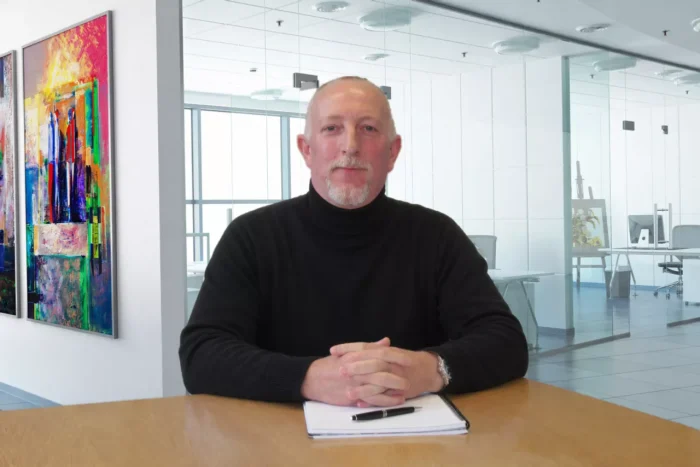
Meet Paul Lee MSc
Hello, I'm Paul and I've been working with people as a psychologist, psychotherapist and coach since 2009. I have expert knowledge of Cognitive Behavioural Therapy (CBT) and adopt a non-medicalised philosophy when helping people overcome mental health challenges. This means that I will frame your current difficulties as being the result of what has happened to you rather than what is wrong with you.
What to Expect from Therapy
Therapy isn't something that is simply done to you. Although your therapist can provide understanding, guidance and practical psychological strategies, meaningful change usually develops through what you discover, practice and begin to do differently in your everyday life.
At Tranceform, we see therapy as a collaborative process. We'll work together to understand the patterns of thinking, feeling and behaviour that may be keeping the problem going, while helping you explore different ways of responding. Sometimes this involves questioning long-held assumptions, reducing avoidance or experimenting with behaviours that initially feel unfamiliar.
The aim isn't to make you dependent upon therapy or to promise a quick fix. It's to help you develop greater understanding, confidence and agency so that, over time, you become better equipped to manage difficulties for yourself.
Therapy provides the guidance. You provide the practice. We create the change together.

TAKE THE FIRST STEP