
CBT Therapy for PTSD
What is Post-Traumatic Stress Disorder?
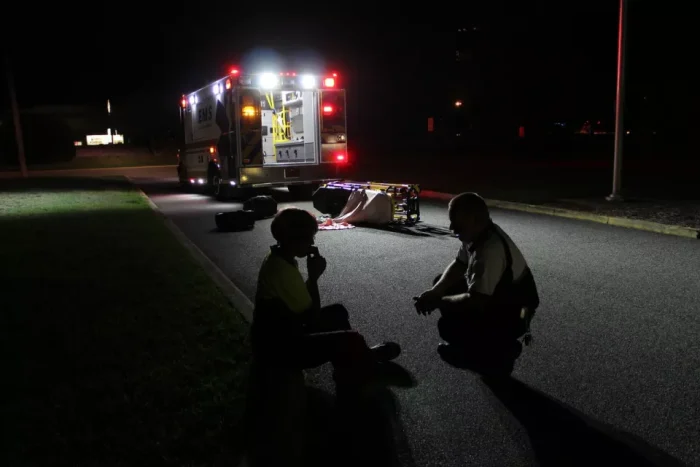
After a frightening or overwhelming experience, you may find that your mind and body continue to respond as though the danger is still present.
Memories, images, physical sensations or reminders of what happened may trigger strong reactions, and you might find yourself avoiding particular places, conversations, people or situations associated with the experience.
Avoidance and staying constantly alert can feel protective, but they may also prevent the experience from becoming something that feels firmly in the past. You may find yourself monitoring for danger, reacting strongly to unexpected sounds or situations, or organising parts of your life around preventing similar experiences from happening again.
Therapy can help you make sense of these responses, understand what continues to trigger them, and gradually develop different ways of responding to memories, reminders and feelings of threat.
AVAILABLE FACE-TO-FACE OR ONLINE
We're Ready to Help You
We offer all prospective clients an hour long, informal and confidential chat to discuss your trauma-related worries for just £30.
There's no pressure to undertake any therapy going forward, no judgement from us and we're very friendly and easy to talk to!
♦ Ongoing sessions:
Typically weekly or fortnightly, tailored to your needs.
♦ Location:
Comfortable private setting near Wolverhampton / Wombourne, with free parking.
Secure online therapy available with Paul across the UK.
♦ Fees:
Ongoing sessions: £90/hr
What Could be the Cause of Your PTSD?
The development of PTSD can often be traced back to profoundly distressing experiences that challenge one's sense of safety and control, leading to a variety of emotional and psychological responses.
Such experiences may include traumatic events like being involved in serious accidents, enduring physical or emotional abuse, or facing life-threatening situations that instil a sense of helplessness.
Additionally, witnessing violent acts or experiencing significant loss may further contribute to the likelihood of PTSD.
However, it's essential to recognise that while these events can lead to feelings of anxiety and isolation, they can also serve as catalysts for personal growth.
Many individuals find themselves developing resilience, deeper empathy, and a renewed appreciation for life in the aftermath of trauma, embracing the potential for transformation and healing.
PTSD Symptoms
Individuals experiencing post-traumatic stress disorder may encounter a range of distressing symptoms that can significantly disrupt their daily lives.
Commonly reported symptoms include intrusive memories of the trauma, insomnia or disturbed sleep patterns, heightened anxiety, irritability, and emotional numbness.
Many people may also have difficulty concentrating and experience overwhelming feelings of guilt or shame, often linked to survival guilt.
Additionally, some may exhibit avoidance behaviours, leading to social withdrawal and a sense of detachment from loved ones, creating a cycle of isolation that can exacerbate their emotional distress.
Understanding and recognising these symptoms is crucial for those seeking help and exploring effective treatment options.
Psychological therapy with paul
CBT Therapy Options for PTSD



ABOUT PAUL
Meet Paul Lee MSc
Hello, I'm Paul and I've been working with people as a psychologist, psychotherapist and coach since 2009. I have expert knowledge of Cognitive Behavioural Therapy (CBT) and adopt a non-medicalised philosophy when helping people overcome mental health challenges. This means that I will frame your current difficulties as being the result of what has happened to you rather than what is wrong with you.
What to Expect from Therapy
Therapy isn't something that is simply done to you. Although your therapist can provide understanding, guidance and practical psychological strategies, meaningful change usually develops through what you discover, practice and begin to do differently in your everyday life.
At Tranceform, we see therapy as a collaborative process. We'll work together to understand the patterns of thinking, feeling and behaviour that may be keeping the problem going, while helping you explore different ways of responding. Sometimes this involves questioning long-held assumptions, reducing avoidance or experimenting with behaviours that initially feel unfamiliar.
The aim isn't to make you dependent upon therapy or to promise a quick fix. It's to help you develop greater understanding, confidence and agency so that, over time, you become better equipped to manage difficulties for yourself.
Therapy provides the guidance. You provide the practice. We create the change together.

TAKE THE FIRST STEP