
Coping Skills for Mental Wellness

Post Contents
What Are Coping Skills?
Having good coping skills can help you to ‘tolerate’ problems or difficult situations without them having any significant negative impact on your life, or on your ability to ‘function normally’.
People with effective coping skills may be described as having resilience to challenges.
This does not mean that they don't encounter the same life challenges as everybody else, but rather that when they do occur that they have less impact on them.
Resilience is a complex phenomenon and it is determined by a wide range of psychosocial determinants but more importantly, anybody can learn to develop better coping skills and become more resilient.
Because our experience of life is completely subjective and individually constructed, people will generally develop coping skills or coping mechanisms consistent with their internal core beliefs and experiences leading to coping mechanisms that may make things worse rather then better!
These are known as 'maladaptive coping' strategies.

Maladaptive Coping Skills
Maladaptive coping mechanisms are those strategies that people 'develop' that work on one level (what we call 'coherent') but on another level lead to more significant problems.
It is this paradox that gives rise to the definition 'maladaptive'.
Alcohol abuse and drug abuse are classic examples of a maladaptive coping skills as they almost certainly allow a person to 'escape' from uncomfortable feelings ('it works') but generally lead to more significant associated problems as a result.
The same is generally true with self-harming strategies (like cutting) as it allows the self-harmer to 'externalise' the uncomfortable internal feelings and provides a way of coping.
Of course, this invariably leads to more significant problems.
Maladaptive coping usually arise due to not knowing about more useful strategies or because there is little choice about what can be done practically.
Maladaptive strategies may also exist because they 'made sense' when they were originally 'created' (in childhood for example) but are no longer relevant to the life 'context' today.
In many cases these unhelpful mechanisms continue to be 'utilised' as they have become 'habitual'.
Improving Your Coping Skills
Here at Tranceform Psychology we have been helping people to develop a range of coping skills and strategies using CBT Therapy for over 16 years.
CBT is generally recognised as a psychoeducational process that helps a person develop self-insight through understanding their core limiting beliefs and how they may be leading to limiting paradigms, unhelpful thinking or negative thought patterns.
It also teaches a person a range of new and better adapted coping skills that build greater resilience to problems and challenges.
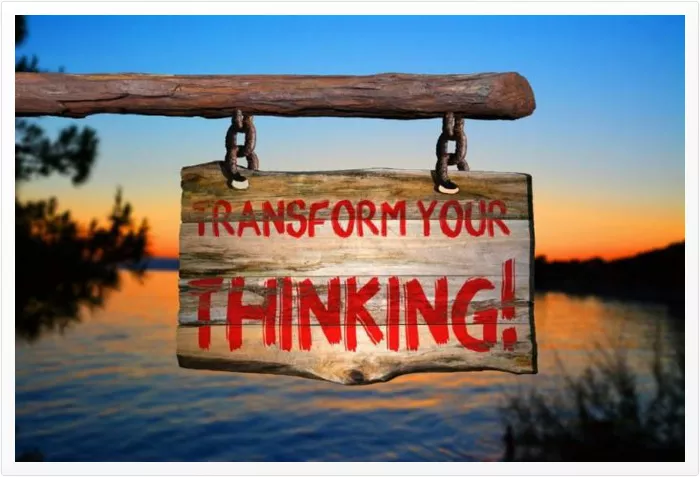
What are the therapy options for improving coping skills?
Improving coping skills is a vital journey towards emotional well-being and resilience, and at Tranceform Psychology, we offer a variety of therapy options tailored to your unique needs.
From Cognitive Behavioural Therapy, which equips you with practical tools for reframing negative thought patterns, to supportive counselling sessions that provide a safe space for personal exploration, our therapies are designed to empower you.
We also offer psychodynamic therapy, which delves into past experiences to illuminate present challenges, and self-help courses for those who wish to begin their healing journey independently.
Whether you choose face-to-face sessions in Wolverhampton or convenient online therapy from anywhere in the world, each option is crafted to guide you towards healthier coping mechanisms and a more fulfilling life.
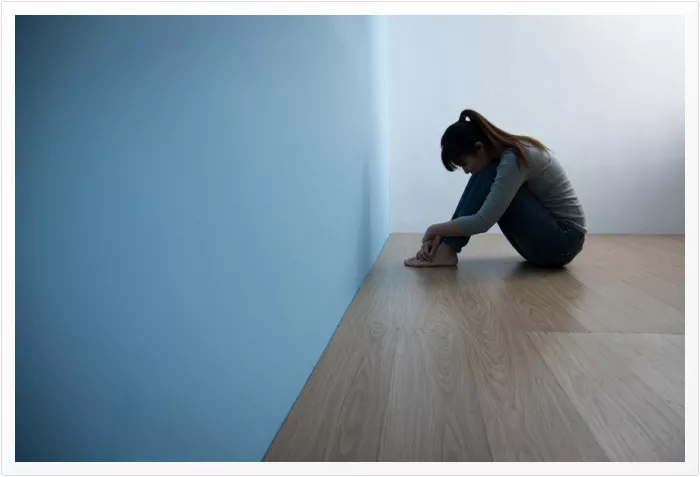
Adverse Childhood Experiences: Influences on Later Life
Adverse childhood experiences, often referred to as ACEs, encompass a range of traumatic events that can profoundly shape an individual’s emotional and psychological landscape.
These experiences, which include neglect, abuse, and exposure to dysfunction within the family, can hinder healthy development and….

Cultural Settings: How They Influence Mental Health
Cultural settings are those diverse contexts in which we live our lives.
There are many different cultural settings throughout the World with each having their own unique way of living and making sense of the reality that surounds them.
Although it is obvious that we all exist within the same reality….
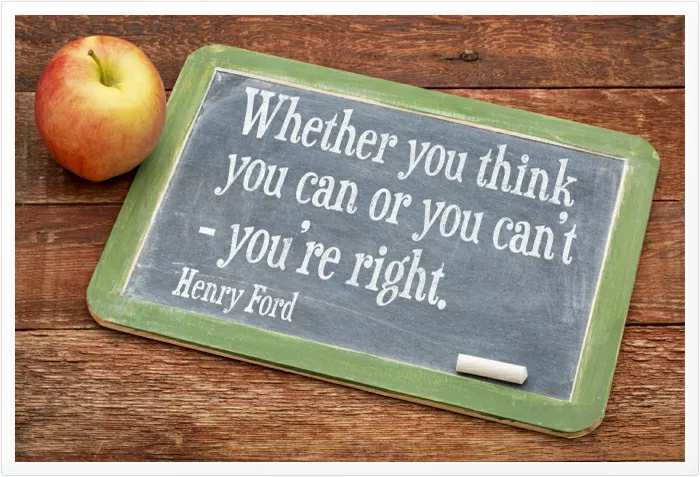
When the Solution is the Problem: Maladaptive Coping
The solution IS the problem describes how ‘safety-seeking’ or ‘avoidance behaviours’ that people commonly ‘create’ in order to make themselves feel ‘safe’ from their particular problem almost always creates more problems rather than making them feel ‘safer’.
This is a well known paradox – in other words, the ‘way’ that….